
Spring Lawn Care Checklist for Denver Homeowners
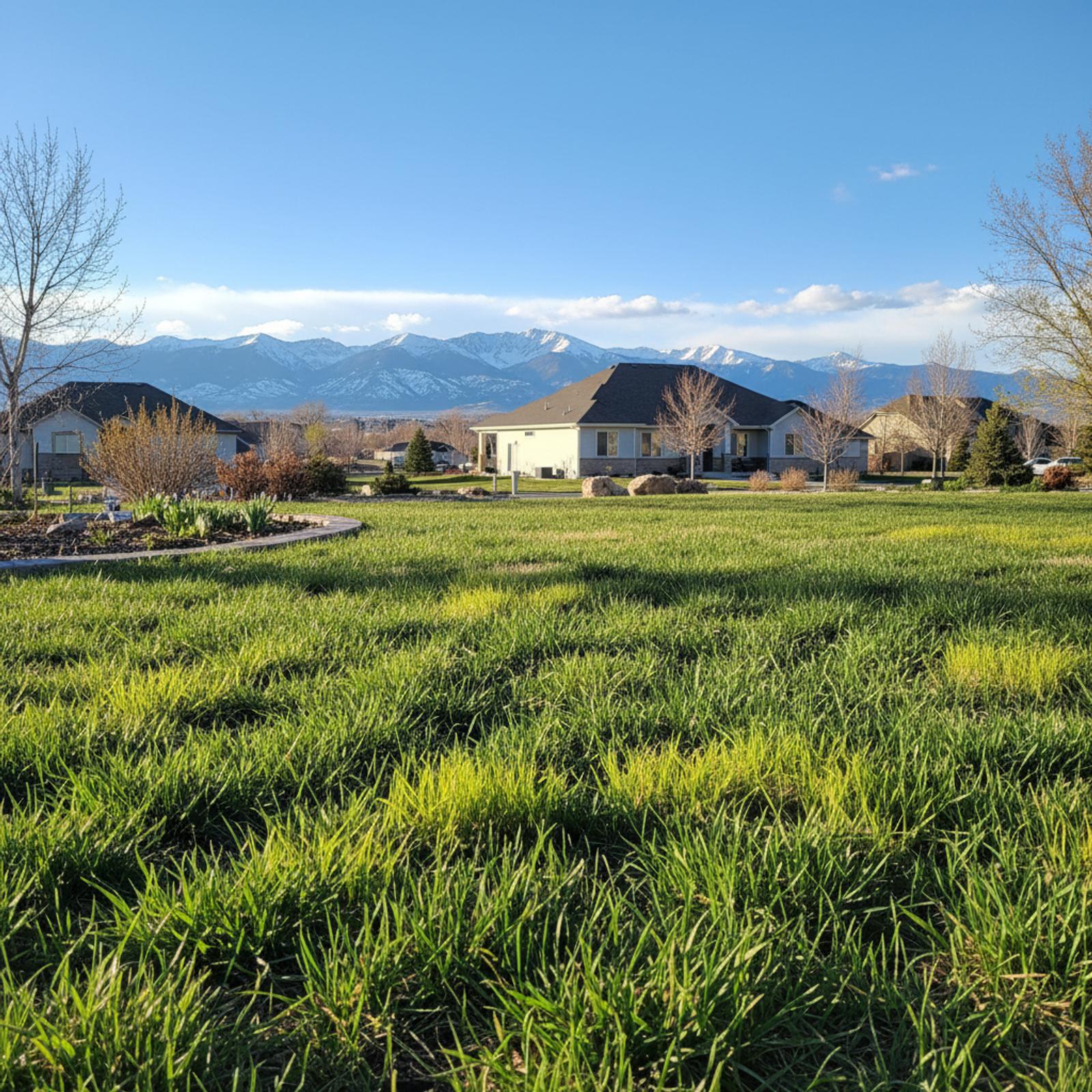
Spring in the South Denver metro area is a tricky season for lawns. One week it’s 65 and sunny, the next we’re under six inches of heavy, wet snow. But somewhere in March and April, your lawn starts waking up — and what you do in those first few weeks sets the tone for the entire growing season.
Here’s a practical, Colorado-specific spring lawn care checklist to help homeowners in Highlands Ranch, Littleton, Centennial, and surrounding areas get their lawns off to a strong start.
1. Clean Up Winter Debris
Before anything else, get the debris off your lawn. Over winter, leaves, branches, and other material accumulate and mat down, creating conditions for snow mold and smothering the grass underneath.
- Rake or blow off matted leaves and dead grass
- Clear fallen branches and any storm debris
- Pick up any trash or litter that blew in over winter
This is especially important in neighborhoods with heavy tree coverage like Castle Pines and Ken Caryl, where fall leaves may still be compacted on the lawn. If you need help, our yard cleanup service handles this quickly and hauls everything away.
2. Assess for Winter Damage
Take a walk around your property and look for:
- Snow mold: Circular patches of matted, gray or pink-tinged grass. This usually resolves on its own once the grass dries out and starts growing. Gently rake affected areas to improve airflow.
- Vole damage: Trails of dead grass in meandering paths. Voles tunnel under snow cover and eat grass crowns. Rake out the dead material — the grass usually fills back in.
- Frost heave: Areas where freezing and thawing has pushed soil upward, exposing grass roots. Light top-dressing can help.
3. First Mow — But Don’t Rush It
Wait until your grass is actively growing and the soil is firm enough to walk on without leaving footprints. In the South Denver area, this is typically mid to late April, depending on the year.
For the first mow:
- Set your mower blade lower than usual — around 2-2.5 inches — to remove dead tips and let sunlight reach the crown of the grass.
- After the first cut, raise your mowing height back to 3-3.5 inches for the rest of the season.
- Make sure your mower blade is sharp. Dull blades tear grass rather than cutting it, creating ragged edges that brown out and invite disease.
If you’d rather hand off mowing duties entirely, our lawn mowing and edging service keeps your lawn looking sharp all season.
4. Start Watering — Carefully
Colorado’s spring weather is unpredictable, and our semi-arid climate means your lawn needs supplemental water earlier than you might think. But overwatering in spring is a common mistake.
- Wait until temperatures are consistently above 50°F before starting regular irrigation.
- Water deeply but infrequently — 1 inch per week total, including rain.
- Water in the morning to reduce evaporation and prevent fungal issues from overnight moisture.
- Watch for local watering restrictions — many South Denver communities have specific watering schedules.
5. Aerate If Needed
Core aeration — pulling small plugs of soil from the lawn — relieves compaction and allows water, air, and nutrients to reach grass roots. In the South Denver area, early fall is the best time to aerate, but if you missed fall aeration, spring can work too.
Signs your lawn needs aeration:
- Soil feels hard and compacted
- Water pools on the surface instead of soaking in
- Grass looks thin despite adequate water and sun
- Heavy foot traffic areas
6. Hold Off on Fertilizer
This might surprise you, but don’t fertilize your lawn in early spring. Here’s why:
- Spring fertilizer pushes top growth at the expense of root development.
- Roots are what your lawn needs most in Colorado’s hot, dry summers.
- Weeds respond to spring fertilizer just as enthusiastically as grass does.
The best time to fertilize cool-season grasses (bluegrass and fescue) in the South Denver area is early to mid-September. If you want to apply something in spring, use a light application of slow-release fertilizer after the lawn has been actively growing for 3-4 weeks.
7. Address Bare Spots
If you have bare patches from winter damage, dog spots, or other causes:
- Loosen the soil with a rake
- Apply grass seed appropriate for your area (Kentucky bluegrass or fescue blends work well in South Denver)
- Cover lightly with a thin layer of compost
- Keep the area consistently moist until germination (10-14 days)
Early spring seeding can work, but fall overseeding is generally more successful in our climate.
8. Check Your Trees and Shrubs Too
While you’re out assessing your lawn, take a look at your trees and shrubs:
- Look for broken branches from winter storms
- Check for dead limbs that could fall during spring storms
- Note any overgrown hedges that need shaping
Spring is a great time for tree pruning before the growing season kicks in, and for hedge and bush trimming to shape things up after winter.
Get Help With Spring Cleanup
If tackling all of this sounds like a lot, you’re not wrong — and you don’t have to do it alone. Austin’s Premier Lawn & Tree Service provides yard cleanup, lawn mowing, and all the tree and shrub care your property needs to look great this spring.
We serve Highlands Ranch, Littleton, Centennial, Lone Tree, Castle Pines, and the entire South Denver metro area. Contact us for a free estimate.